The ‘Real’ Tibet
6
Apr, 2026
The ‘Real’ Tibet: Ladakh, India
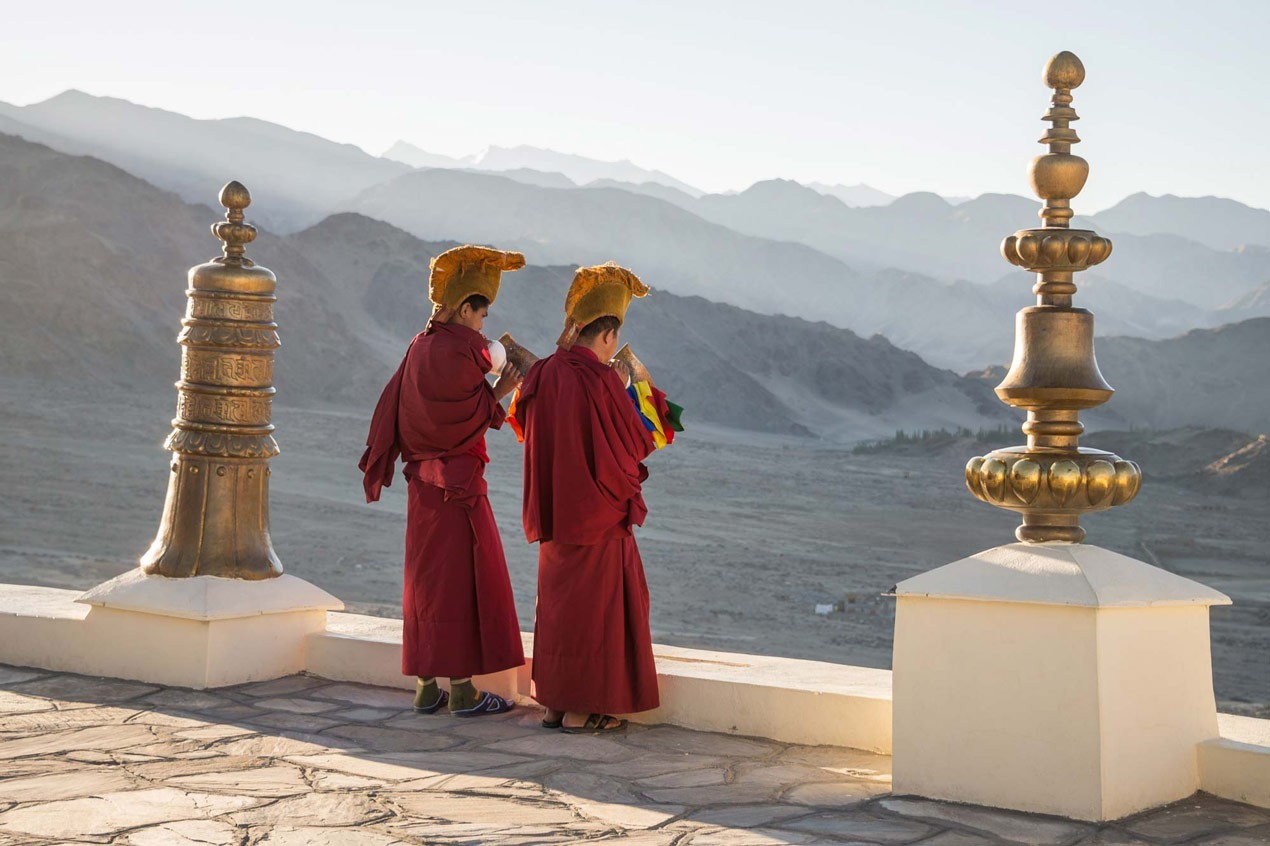
Traveling through Ladakh, India as a solo traveler was an eye-opening experience. This region preserves much of the Tibetan culture that has been lost in Tibet due to Chinese occupation. From monasteries to traditional houses, Ladakh offers a glimpse into the life Tibet once had.
Why Ladakh is Like Tibet
Since the Chinese occupation of Tibet in 1950, over one million Tibetans have been killed, 99% of monasteries shut down, thousands of monks jailed, and Dalai Lama images banned. Tibetan culture has been destroyed in Tibet, and many original inhabitants escaped to India over the Himalayas.
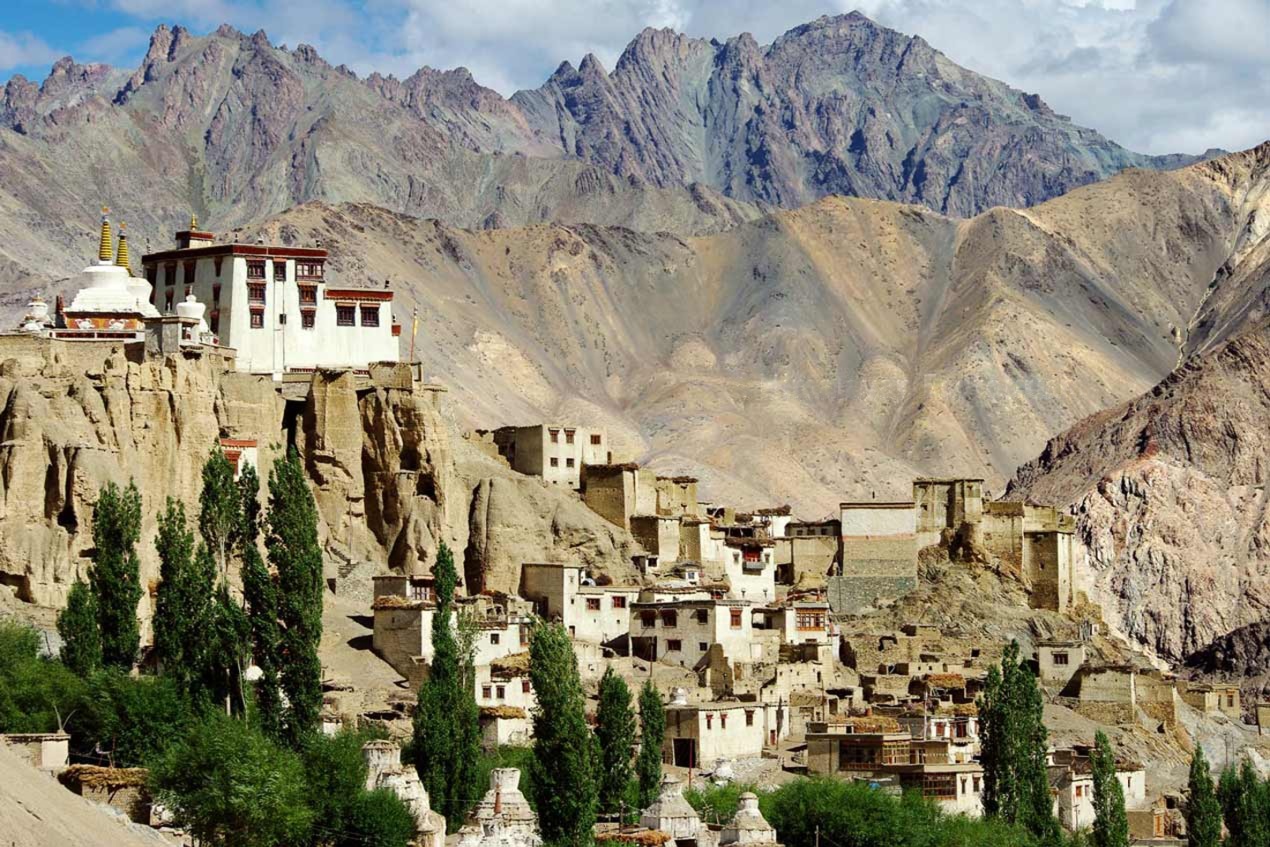
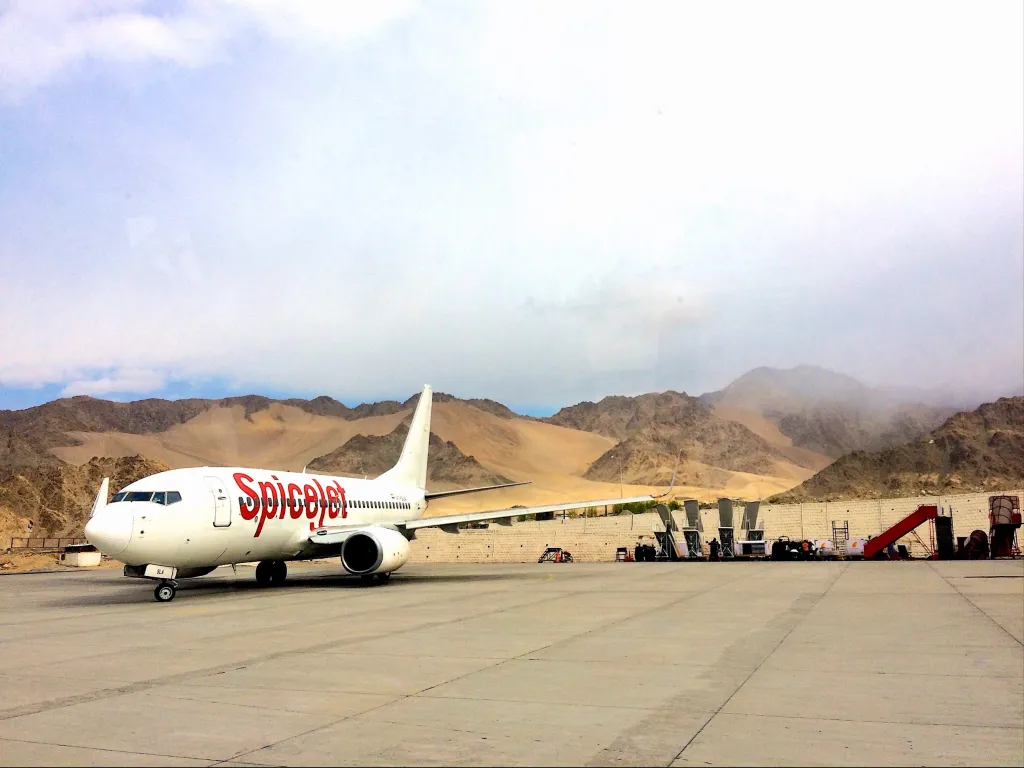
On the other side of the Himalyan Mountain Range south of Tibet is an areas called Ladakh. Ladakh is a part of India but Ladakh for most of its history was largely influenced by Tibet but because of its prime location in the trade route from east to west it has a large Muslim influence as well.
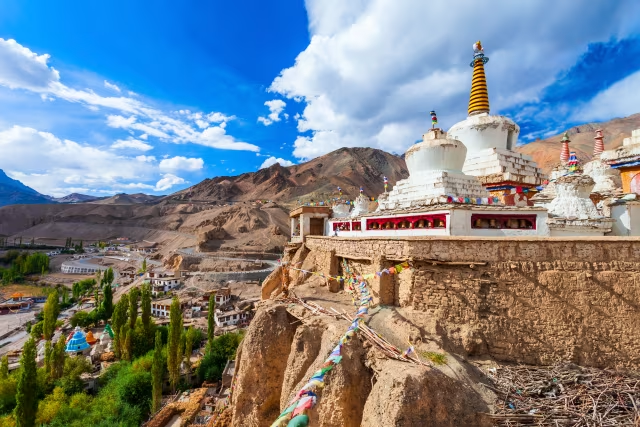
The architecture of Ladakh vs Tibet
The architecture of Ladakh is almost identical to that of Tibet, both for residential buildings and monasteries. The language is a Tibetan dialect. The class structure—or rather the lack of a sharply defined one—is common to Tibet and Ladakh. This is in sharp contrast to the rest of India. If you want to see what Tibet used to look like before the occupation, Ladakh is where you should go.
Religion in Ladakh vs Tibet
Ladakh has an equal number of Muslims and Buddhists, but most travelers visit the East, where Tibetan Buddhist influence is stronger.
Planning Your Visit
The main hub is Leh, which has an airport, but the weather is unpredictable. Roads are only open from June to mid-October; for the rest of the year, snow makes them impassable.
-
Best months: July–August for more reliable weather.
-
Travel method: Shared taxi recommended to slowly acclimate to high altitude.
-
Altitude precautions: Carry oxygen tanks and allow extra time.
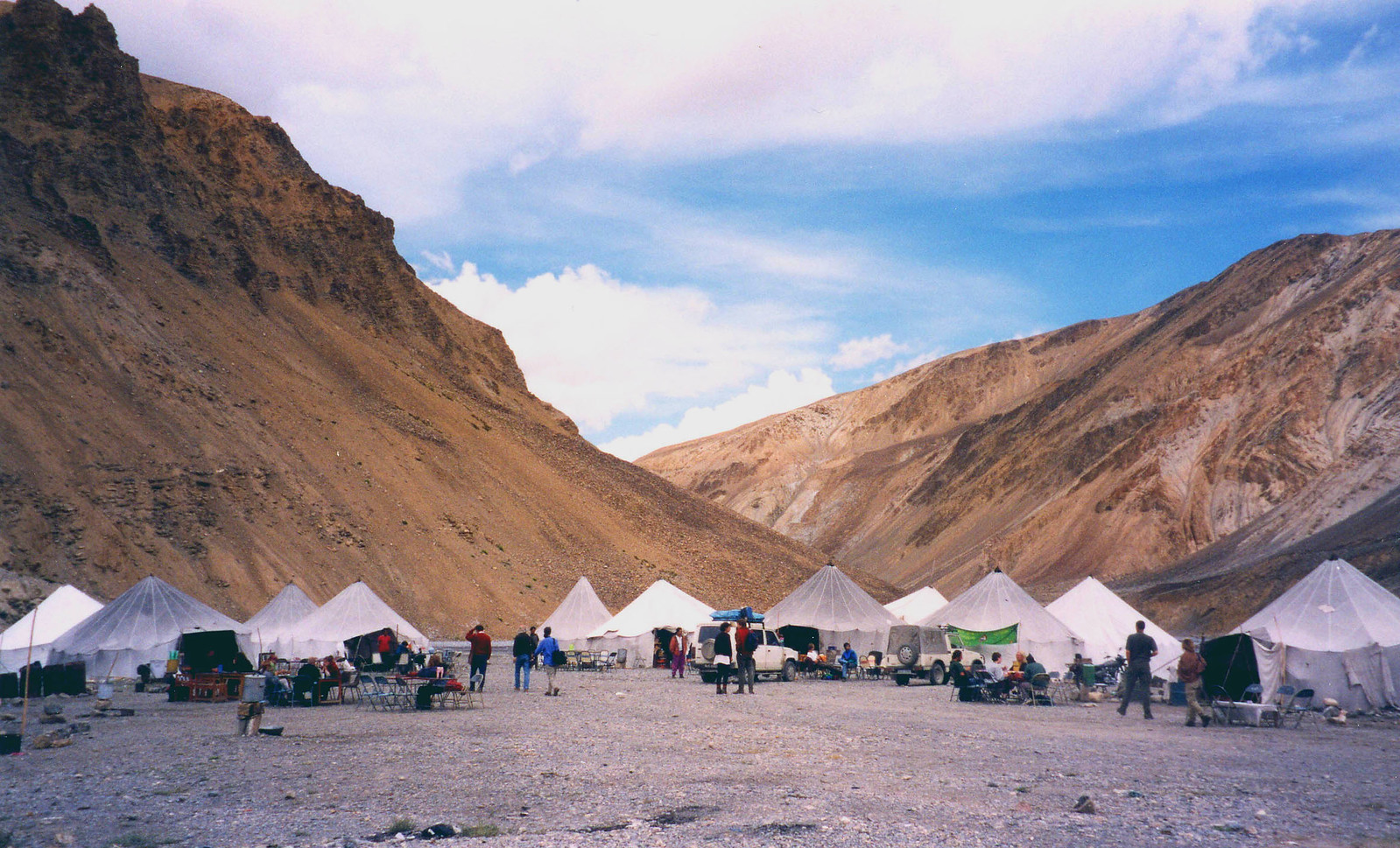
If the weather is bad, you might only have a window of 3 months to visit. To play it safe, plan for July or August. Taking a shared taxi is preferred because it allows slow acclimation to high altitudes. Altitude sickness is very common, so the taxi should have oxygen tanks if needed. The journey takes 2 days with an overnight stay at a camp base.
High Passes and Adventure
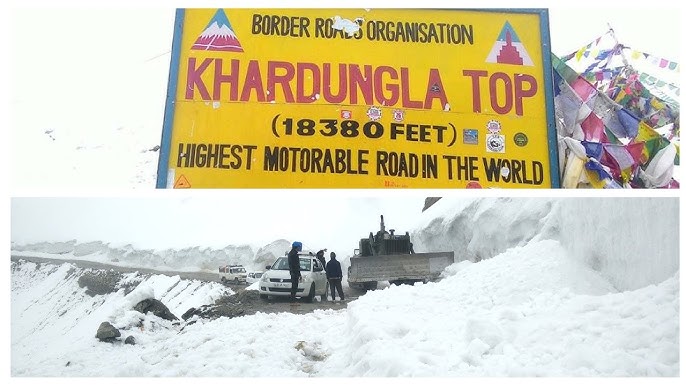
One of the highest mountain passes in the Ladakh region, Tanglang La pass, is claimed to be the second highest motorable mountain pass on the planet. The journey to Ladakh is half the adventure! Motorcycle trips are popular here and make for a true bucket-list experience.
Life in Ladakh
If you have seen the show Human Planet on BBC, one episode features a father taking his two kids on a week-long journey to school. They rush against time before the spring warmth melts the frozen river, but finally make it to school. This story takes place in Ladakh.
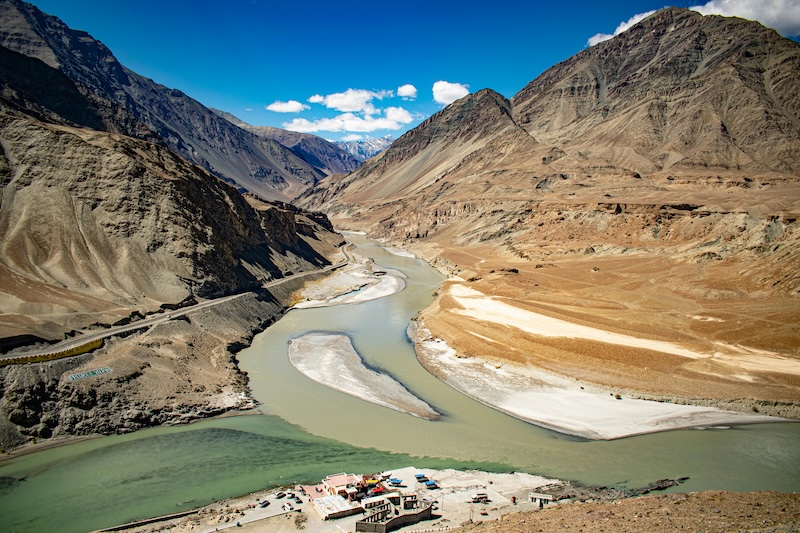
Ladakh is the “real” Tibet, no question. Monasteries, Tibetan-style houses, and local traditions make it feel like stepping back in time. Adventure, culture, and pure Himalayan magic—Ladakh has it all.